Best tires
Best Tires for Nissan Altima: 2026 Recommendations

Free shipping
Best price guarantee
SimpleCrew exclusive savings
0% APR Financing
Tire replacement coverage
24/7 roadside assistance
Easy returns
Best tires
Finding the right tires for your Nissan Altima ensures you maintain its signature smooth ride and impressive fuel economy. This guide breaks down the top-rated options for every trim, from the fuel-efficient S to the sporty SR, helping you choose the best tires for Nissan Altima based on your specific driving habits.
The best tires for Nissan Altima balance long-lasting tread life with low road noise and all-weather reliability. Because the Altima is a versatile mid-size sedan, it requires tires that can handle daily commuting while maintaining stability at highway speeds.
When shopping for ** Nissan Altima tires**, look for these key features:
! Pirelli P7 All Season Plus 3 Lifestyle
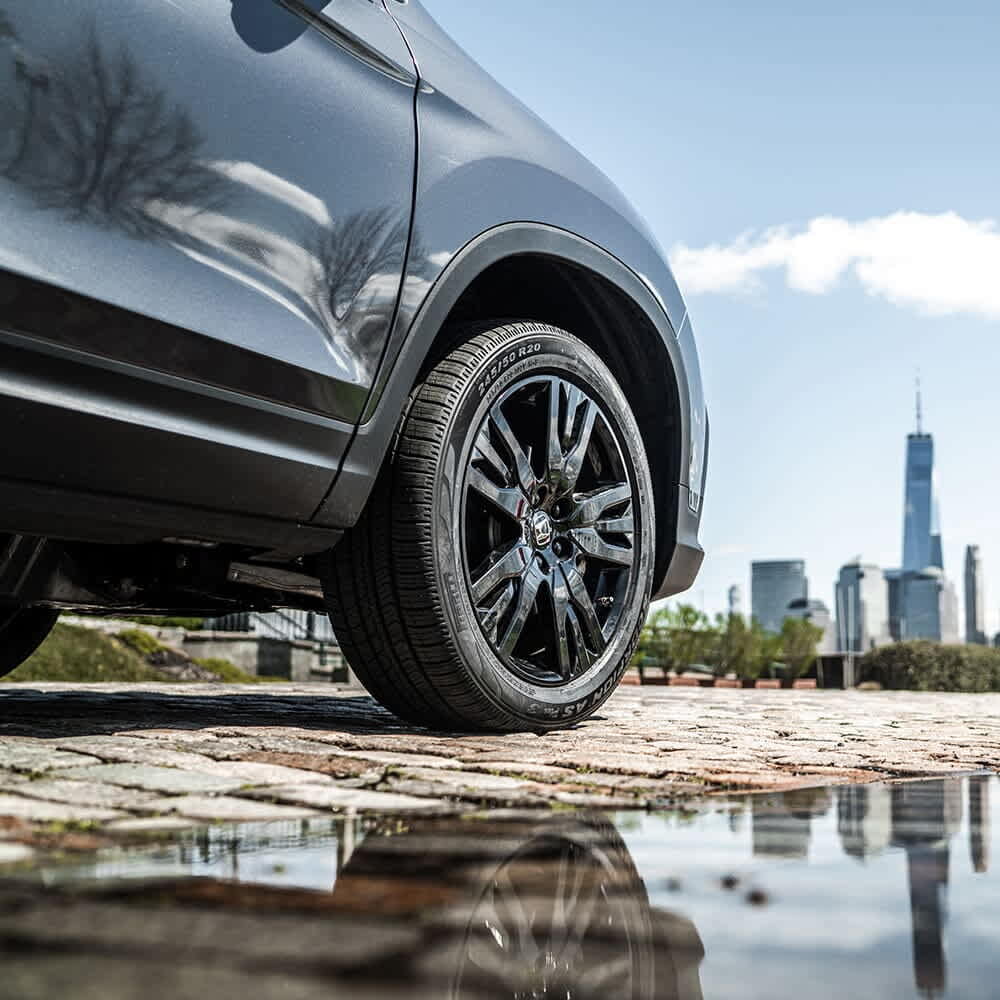
The Pirelli P7 All Season Plus 3 is among the best all-season tires for your Nissan Altima. With an exceptional 9.3 overall SimpleScore, it delivers incredible traction (9.6), handling (9.5), and longevity (9.8). Offering a refined driving experience, it is backed by an excellent 70,000 mile limited manufacturer tread life warranty.
Get Pirelli P7 All Season Plus 3 tires at the best deals for your vehicle here
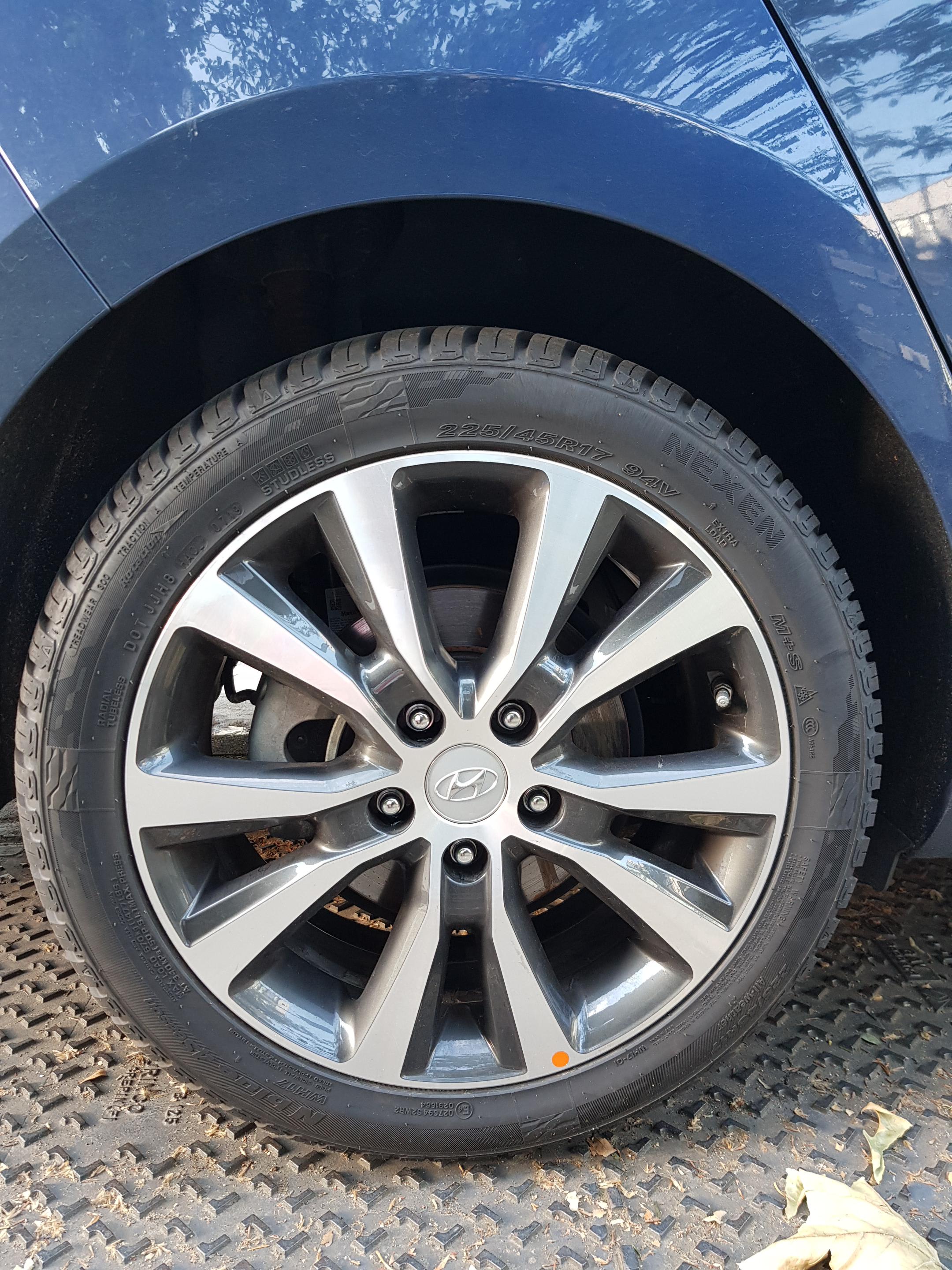
With an incredible 9.2 overall SimpleScore, the Nexen N’Blue 4S 2 is a superb all-weather tire that delivers exceptional year-round performance, including in moderate to severe winter conditions. With a 9.2 overall SimpleScore, the Nexen N’Blue 4S features a directional tread pattern and special rubber compound for optimal grip, traction, and control in different driving conditions. Scoring a phenomenal 9.6 in longevity, the Three Peak Mountain Snowflake certified tire is backed by a 70,000-mile limited manufacturer tread life warranty.
Get Nexen N’Blue 4S 2 tires at the best deals for your vehicle here
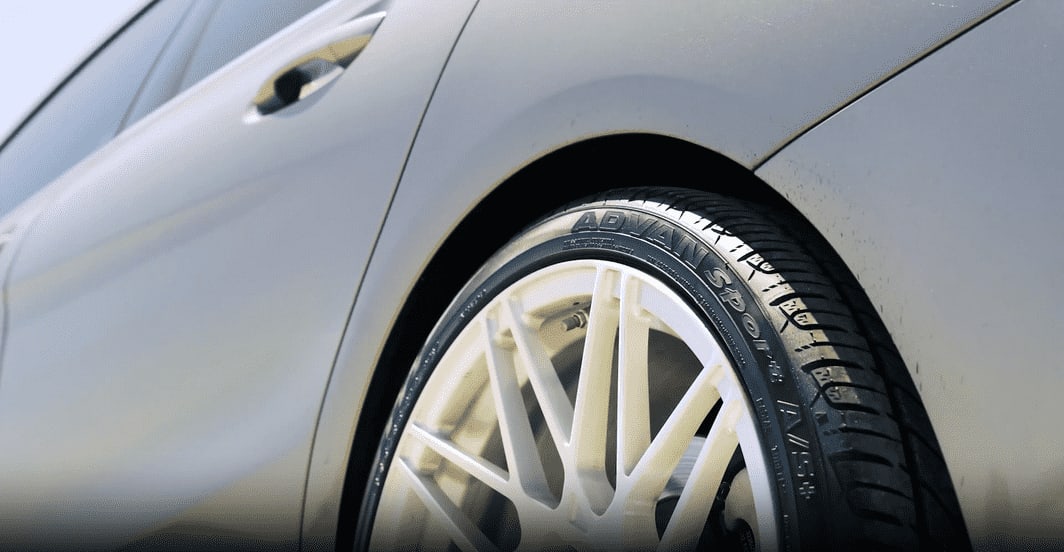
When it comes to the best Ultra-high-performance all-season tire, the Yokohama Advan Sport A/S+ is a preferred option thanks to its superb 8.9 overall SimpleScore. Backed by an up to 55,000-mile limited manufacturer tread life warranty, the Yokohama tire returns an excellent longevity score of 9.2.
Get Yokohama Advan Sport A/S+ tires at the best deals for your vehicle here
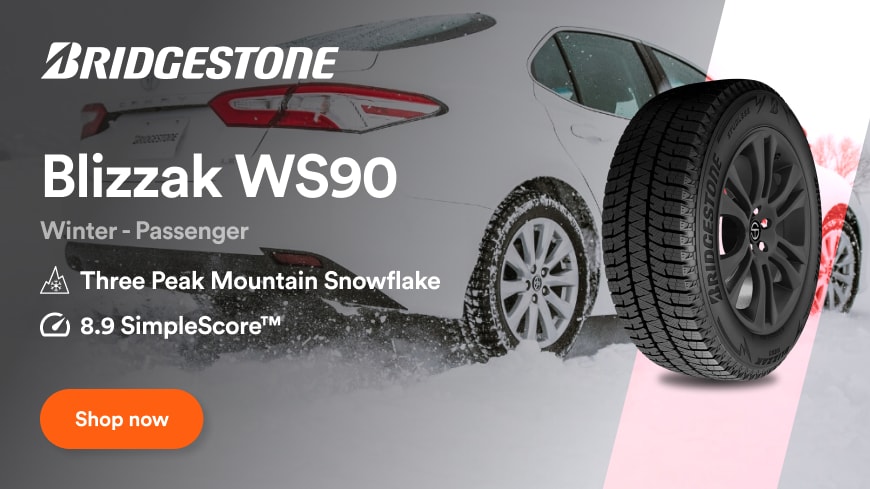
If you drive your Nissan Altima in regions with less than 45 degrees Fahrenheit temperatures, then the Bridgestone Blizzak WS90 is the ideal winter tire for you. Securing an 8.7 overall SimpleScore, the Blizzak WS90 is one of the top winter tires on the market. It provides incredible grip and traction (9.3) in deep snow and ice.
Get Bridgestone Blizzak WS90 tires at the best deals for your vehicle here
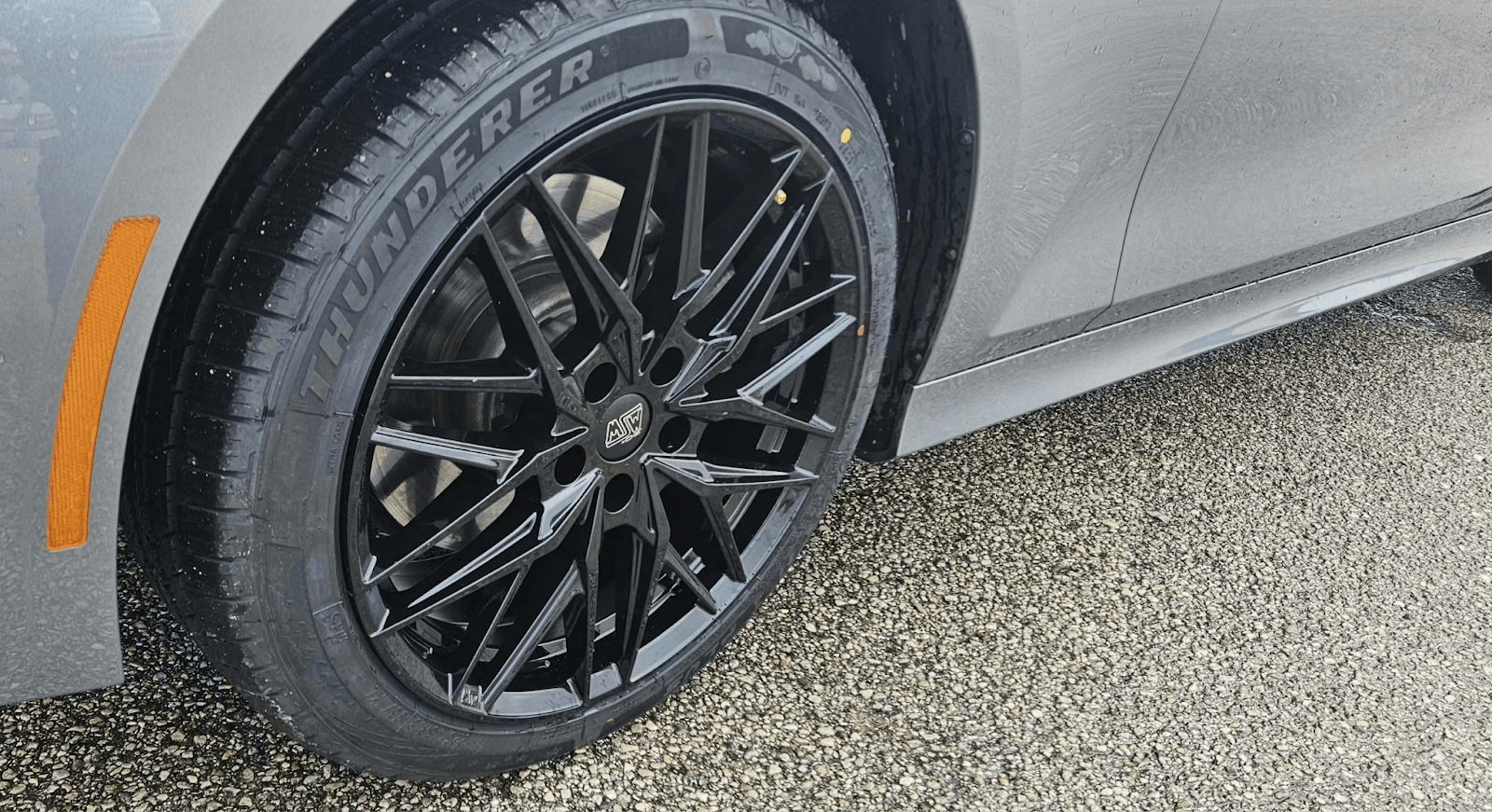
For Nissan Altima drivers wanting a budget-friendly tire that can be used year-round, the Thunderer Mach I Plus is a good choice as it scores an 8.6 in its overall SimpleScore. Backed by a 70,000-mile limited manufacturer tread life warranty, the Thunderer tire delivers great handling and traction at an affordable price.
Get Thunderer Mach I Plus tires at the best deals for your vehicle here
For best performance, match your tires to your Altima's specific trim. Different trims have unique wheel sizes and suspension setups that require specific tire types.
The Nissan Altima is engineered for high fuel economy. To maintain these ratings, choose **tires for Nissan Altima ** featuring Low Rolling Resistance (LRR) technology.
Warranties are a proxy for expected tire longevity. Dividing the price by the warranty miles gives you the "Cost Per Mile."
Selecting the right tire requires matching the rubber compound to your local "worst-case" weather scenarios. Use these guidelines to determine which seasonal category fits your environment.
For most drivers, the best tires for all season driving are those that offer a "set-and-forget" solution. These tires are designed to handle dry pavement, heavy rain, and light snow.
Temperature, not just snow, should dictate your tire choice. When local temperatures stay below 45°F, the rubber in regular all-season tires starts to harden. This greatly reduces its ability to grip the road. Dedicated winter tires, like the Bridgestone Blizzak WS90, are made with special materials. These materials stay soft in very cold weather. This helps the tires stop much faster on ice and packed snow.
Proper maintenance extends the life of your investment and helps keep your Altima safe on the road.
Choosing the right tires for your Nissan Altima ensures you get the most out of its performance and safety features. Whether you need a high-mileage all-season tire or a winter-ready option, SimpleTire has the right fit for your vehicle.
Ready to find the perfect tires? Shop Nissan Altima Tires Now
For most Altima models, the recommended tire pressure is between 32 and 35 PSI. However, you should always check the sticker located on the driver-side door jamb for the manufacturer’s specific recommendation for your trim and wheel size.
Depending on the tire category, you can expect between 40,000 and 80,000 miles. Premium all-season tires like the Pirelli P7 All Season Plus 3 are rated for 70,000 miles, while performance-oriented tires for the SR trim may wear faster due to softer rubber compounds.
Search By