The Best Times to Buy new tires
- Peak Discount Months: April (Spring prep) and October/November (Winter prep).
- Holiday Sales: Memorial Day, Labor Day, Black Friday, and Year-End (December).
- Replacement Threshold: Between 4/32 tread depth (the quarter test) and 2/32" tread depth (The Penny Test).
- Age Threshold: 6 years for inspection; 10 years for mandatory replacement.
1. When to Replace: The Diagnostic Thresholds
Safety is the primary driver of tire replacement timing. Use these three standard benchmarks to see if you need to buy tires now or if you can wait for a sale.
- Penny Test: Insert a penny into the groove, Lincoln's head down. If you can see all of Lincoln’s head, then you have 2/32” left of tread and need to replace your tires immediately.
- Quarter Test: Insert a quarter into the groove, Washington's head down. If you can see the top of Washington’s head, then you have 4/32” left of tread and should start shopping for new tires.
- DOT Age Code: Check the last 4 digits on the tire sidewall, which denote the week and year the tires were manufactured. If the year is 6 or more years old, then you need to replace your tire immediately, as the rubber is likely dry-rotted.
2. The Tire Industry Pricing Calendar
Retailers cycle inventory based on weather transitions.
Spring Cycle (March to May)
- The Opportunity: Retailers clear out winter inventory.
- The Incentive: Tax refund season often triggers "Buy 3, Get 1 Free" or high-value mail-in rebates ($70–$150).
- Best For: Purchasing All-Season, All-Terrain, Mud-Terrain, Rugged Terrain, and Ultra-High-Performance Summer Tires.
Fall Cycle (September – November)
- The Opportunity: October is National Tire Safety Month. Retailers stock up on winter and All-Weather inventory.
- The Incentive: Significant discounts on summer tires and early-bird rebates on winter/all-weather tires.
- Best For: Purchasing Winter or All-Weather Tires.
Holiday & Event Peaks
- Black Friday/Cyber Monday: Typically, the lowest "out-of-pocket" price for mid-tier brands.
- Memorial/Labor Day: Strongest manufacturer-backed rebates for premium brands like Bridgestone, Continental, Goodyear, and Pirelli.
3. How to Maximize Total Savings
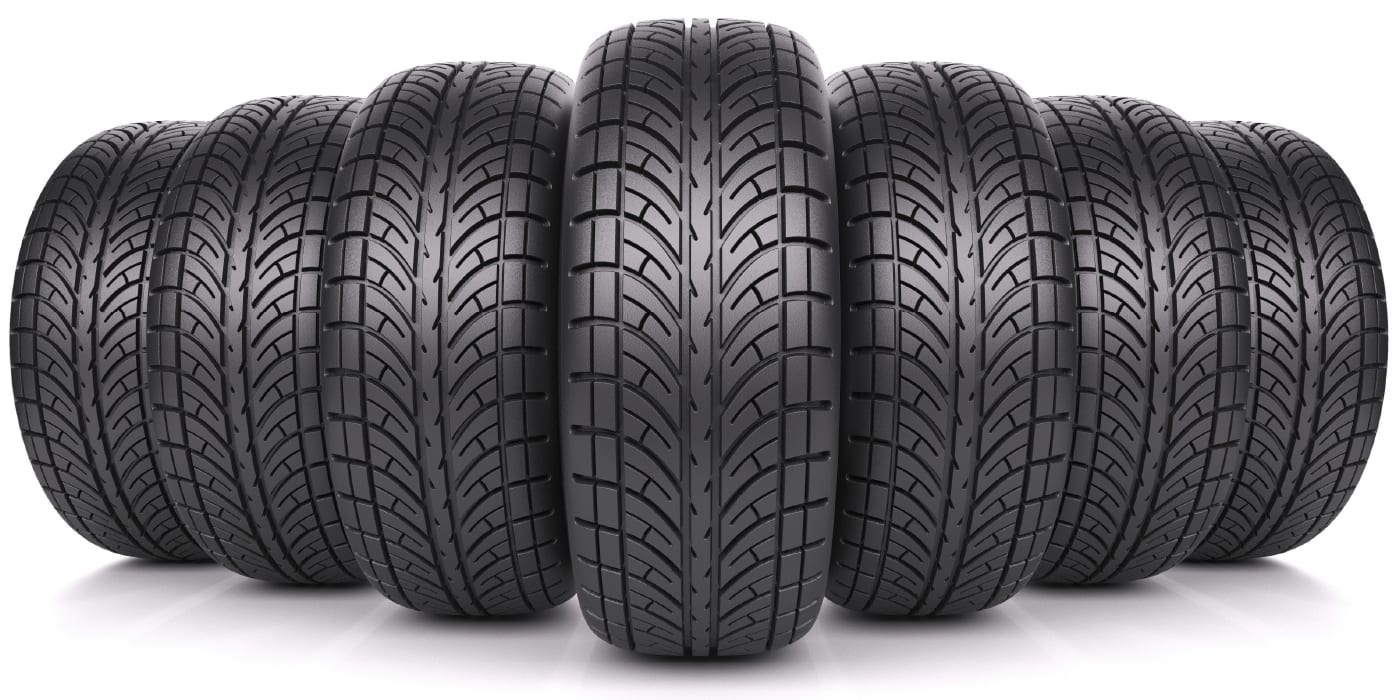
The best deals go beyond the initial sticker price. To find the true "best value," savvy shoppers look for hidden savings opportunities and total cost transparency.
- Stack Rebates: Combine manufacturer mail-in rebates with retailer-specific credit card offers or flash sales for maximum savings.
- Factor in "All-Installed" Pricing: When comparing prices, always include mounting, balancing, and disposal fees. At SimpleTire, we provide a clear look at the total cost to ensure there are no surprises at the shop.
- Buy in Sets of Four: Most high-value promotions are "buy a set" exclusive. Replacing all four tires at once also ensures consistent handling and protects your vehicle's drivetrain.
- Set Price Alerts: If you have 4/32" of tread remaining, you have time to be patient. Set alerts for your specific tire size (e.g., 225/65R17) to catch brief 24-hour flash sales.
4. Seasonal Considerations: Safety vs. Savings
Weather dictates the "Emergency Premium." If you wait until the first snowfall to buy tires, you will likely pay the highest market price due to peak demand.
- Proactive Buying: Buy Winter tires in October to avoid the "First Snow Surcharge."
- Reactive Buying: Buy All-Season tires in April to prepare for hydroplaning risks during spring rains.
Your Tire Buying Action Plan
Follow these three steps to build your tire buying action plan:
- Check your DOT code today to see if your tires are over 6 years old.
- Perform the Quarter Test: if you see Washington’s head, you have roughly 3 months of safe driving left.
- Compare All-Season vs. All-Weather tires based on your local climate to ensure you're not overpaying for specialized rubber you don't need.
